What’s the ideal temperature?
Does your thermostat need to be set to a sweltering 22 to 25°C?
Your thermostat should be set to the lowest comfortable temperature you can manage, which typically ranges between 18 and 21°C.
Every 1°C lower saves you up to £80 on your annual heating bill according to the Energy Saving Trust.
Getting a smart meter can show you in real-time the result of changes you make, like how much energy you are saving by turning down your thermostat.
While having a smart meter alone won’t save you money, it will show you in pounds and pence how much energy you’re using.
What you do with that information is where the magic happens.
Why turn down your thermostat?
Turning down your thermostat can save you money on your energy bills. The exact saving depends on a number of factors.
These include heating usage, cost of heating, type of heating system and how much you lower your thermostat temperature.
On average it’s been reported that turning down your thermostat by just 1 degree Celsius can save you up to 10% on your heating bills.
For example, if your annual heating bill is £1,000, turning down your thermostat by 1 degree could save you up to £100 per year. If you lower the temperature more than one degree, the savings will be more.
You can save more money by setting a schedule using a programmable thermostat. Your heating should not be on when you don’t need it such as when you’re away or you’re sleeping.
These small changes could save you a lot of money annually!
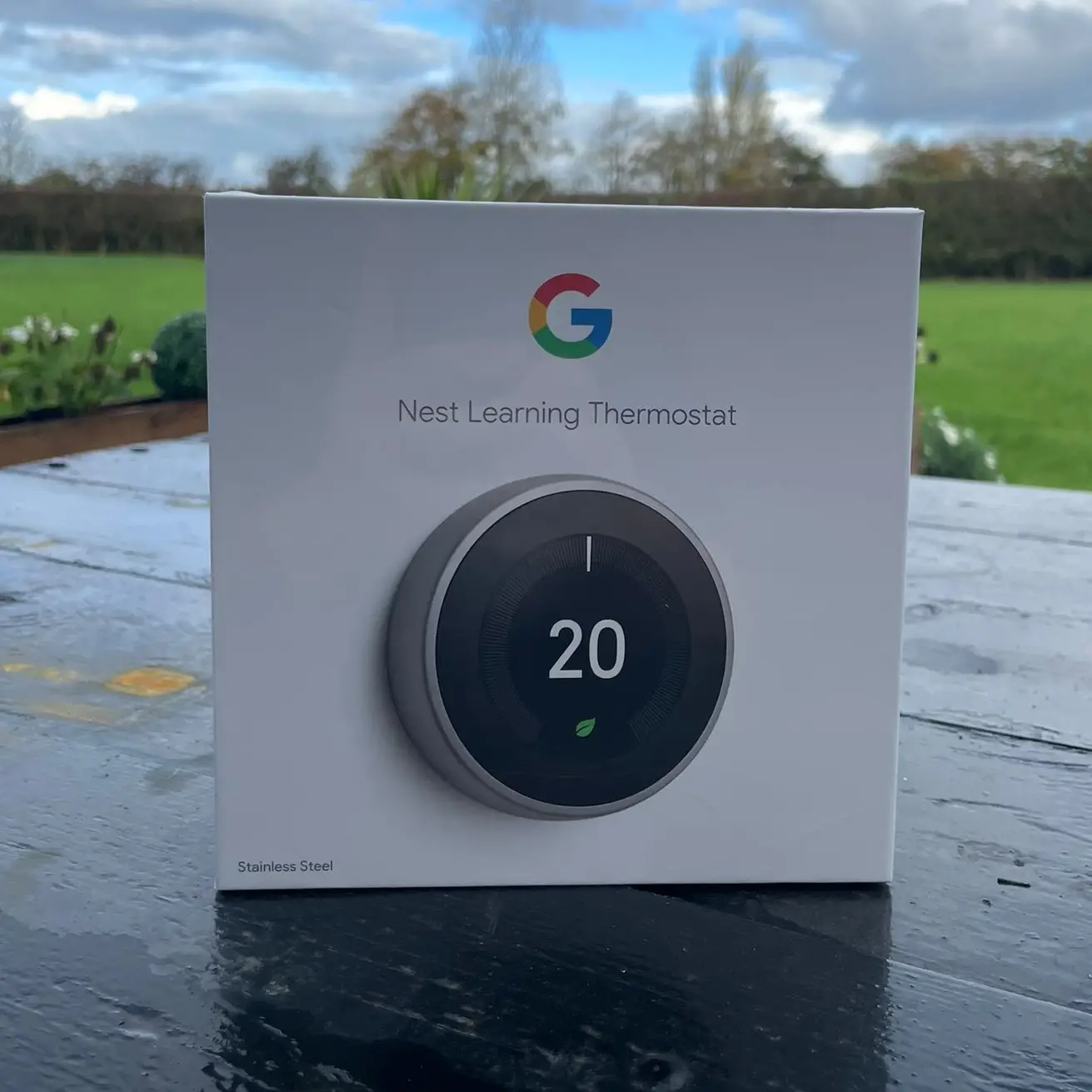
Rapid Response Heating can fit smart thermostats, which will give you the real-time usage and control to tame those bills.
Find out more about Rapid Response fitted Smart Thermostats.
In conclusion
Turning down your thermostat is an easy and effective way to save money on your energy bills.
Lowering the temperature on your thermostat is a simple change that can make a big difference in your energy bills.