
Flushing your radiators is an important maintenance task that can help prolong the life of your boiler. A system flush can also ensure your heating system is running efficiently.
The process involves removing built-up debris and sludge from the radiators, which can improve their heat output and prevent issues like clogs and leaks.
In this article, we will discuss the importance of flushing your radiators, as well as how to complete a system flush, including tips and tricks to make the process easier.
Why flushing your radiators is important
First and foremost, it’s important to understand why flushing your radiators is important. Over time, debris and sludge can build up in your radiators, which can reduce their heat output and cause your boiler to work harder to maintain a comfortable temperature in your home.
This can lead to higher energy bills and put extra strain on your boiler, which can shorten its lifespan.
By flushing your radiators, you can remove this build-up and restore their efficiency, which can save you money on your energy bills and extend the life of your boiler.
Increase Radiator Efficiency
By flushing your radiators and maintaining them in good condition, you can also prolong the life of your boiler.
When radiators are clogged with debris and minerals, the added strain on the boiler can cause it to wear out more quickly.
By flushing the radiators and removing this build up, you can reduce the strain on the boiler and increase its lifespan.
When the radiators are working at full efficiency, it means the boiler does not have to work as hard to heat your home, which can also help to reduce wear and tear on the boiler.
This in turn can help to prolong the life of the boiler, and will help to reduce the need for costly repairs or replacements.
Additionally, when the radiators are running efficiently, it can also save money on your energy bills.
As the radiators are able to heat your home more effectively, your boiler will not have to run as much to maintain the desired temperature.
This means that you will use less fuel and spend less money on heating your home.
All in all, maintaining your radiators by flushing them and bleeding them can prolong the life of your boiler, improve the heating efficiency of your home and ultimately save you money.
Regular check and flushing can prevent future costly repairs or replacements, by reducing the stress on the boiler. It’s a small task with long-term benefits that should not be overlooked.
How To Flush your radiators
When it comes to flushing your radiators, there are a few things you should keep in mind. The first thing you’ll need to do is turn off your heating system and allow the radiators to cool down. Once they are cool, you can begin the flushing process.
One way to flush your radiators is to use a radiator flush solution and a flush valve. These can be purchased at most hardware stores and can be used to remove debris and sludge from your radiators. Simply attach the flush valve to the radiator, open the bleed valve, and pour the flush solution into the radiator. Allow the solution to sit for a few minutes, then open the bleed valve to release the debris and sludge.
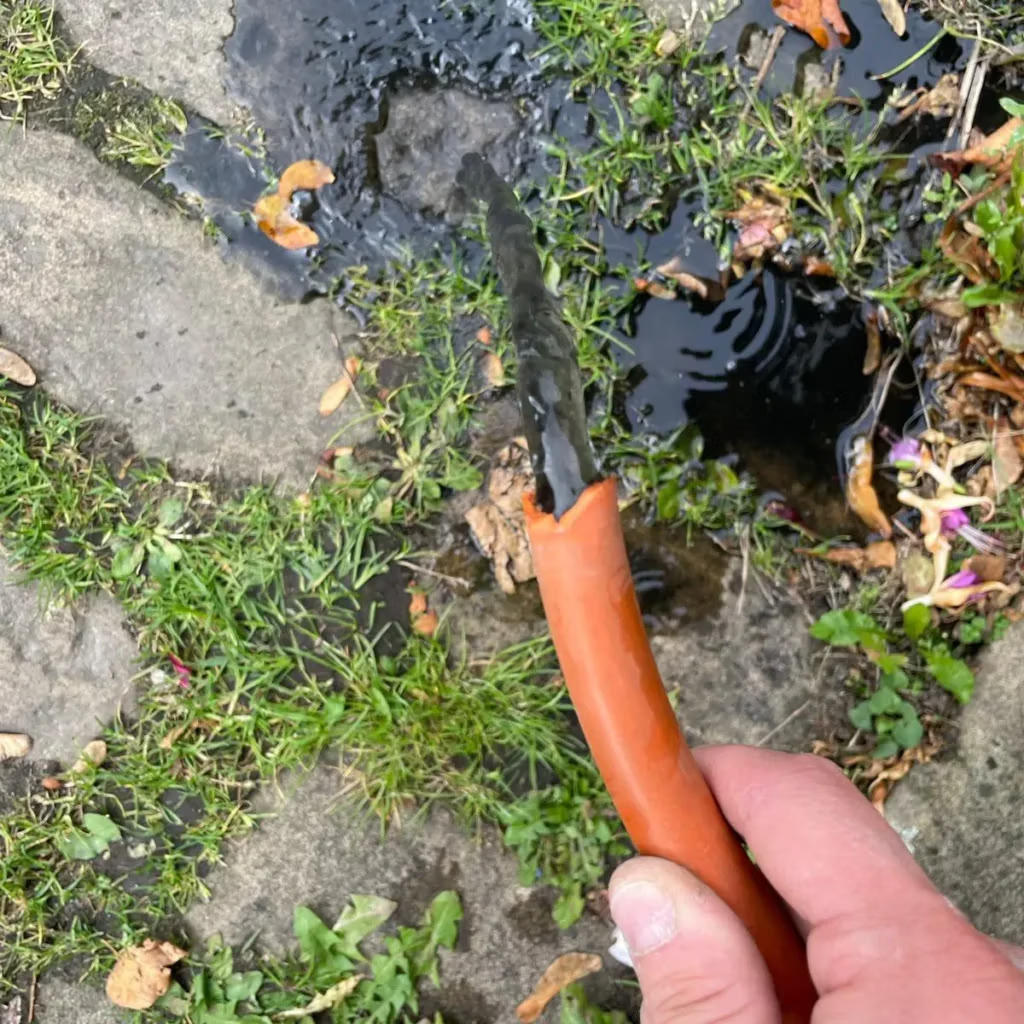
Another way is to do it manually by using a hosepipe connected to the bleed valve and run the water through it. This can also be quite effective but might take more time and be a bit messier than using a radiator flush solution.
In conclusion
It’s also worth mentioning that if your boiler is old, and you’re experiencing regular issues, a system flush may not solve the problem.
In such cases, it might be worth considering boiler installation or boiler replacement as a more permanent solution.
In conclusion, flushing your radiators is an important maintenance task that can help prolong the life of your boiler and ensure that your heating system is running efficiently. By removing built-up debris and sludge, you can improve your radiators’ heat output and save money on your energy bills. However, if your boiler is old and you’re experiencing regular issues, it may be worth considering boiler installation or replacement as a more permanent solution.